Ethical Policy on AI-Assisted Content Creation


This text is the English translation of an article originally published in Turkish on Bianet on April 26, 2025.
Minor editorial adjustments were made for clarity in English.
Bianet – 26 April 2025
A Statement of Stance and Call to Action
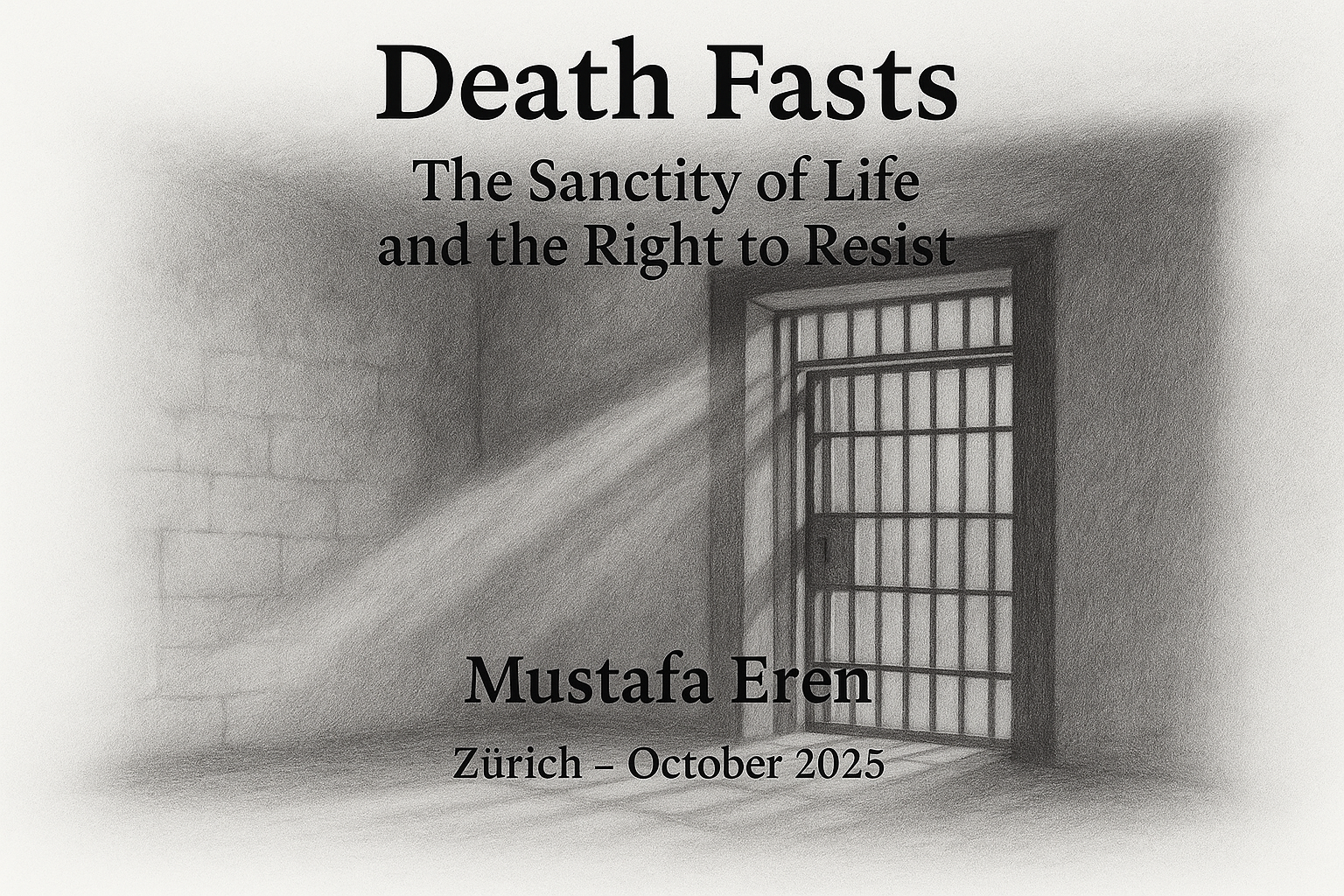
In digital content creation, AI-based tools (such as ChatGPT, DALL·E, etc.) are increasingly being used by individuals to visualize their ideas, enrich their content, or simplify the production process. However, the content generated through these tools is, at least for now, not purely the result of algorithmic production; it is the product of a process shaped by the creative input, direction, and critical oversight of writers and other creative actors.
Within this framework, I consider it important to adhere to the following principles in AI-assisted content:
1. Visibility of Creative Contribution
In both visual and textual content, the fundamental idea, design, prompts, and final evaluation belong to the writer or other creative contributors. AI is used solely as a technical tool.
2. Transparency of the Platform Used
The AI system employed in content creation (e.g., OpenAI ChatGPT, DALL·E, etc.) must be clearly indicated.
3. Transparency in Attribution
Suggested attribution statement for AI-assisted content:
“Visual concept and prompts by (name of the writer/director). Image created using (name of the AI system).”
This phrasing transparently discloses both the creative process and the technology used. Attribution should include not only the technical tool but also the person who developed, directed, and evaluated the idea.
4. Protection of Intellectual Labor
Phrases like “generated by AI” risk rendering human contribution invisible. In such cases, attribution should be given to the individual who designed and managed the process—not merely the AI system—based on ethical considerations.
5. Definition of Co-Creation
The responsibility for and meaning of the final output generated with AI lies with the person who guided the process. Therefore, such productions should be defined as a human-guided partnership supported by assistive technologies, in which human agency remains central.
This policy text is drafted as a working proposal, with the aim of outlining ethical principles for AI-assisted content creation and advocating for the visibility of human labor in digital production. I consider the principles and approach outlined in this document to be essential components of ethical practice in all types of content.



[…] […]