|
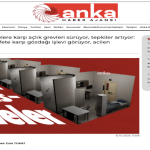
Kuyu Tipi Hapishaneler Üzerine Görüş – ANKA Haber AjansıAnka Haber Ajansı, 18 Ekim 2025 tarihli haberinde “kuyu tipi hapishaneler” konusundaki değerlendirmelerime yer verdi. Haberde, bu hapishanelerin toplumsal muhalefeti bastırma işlevi gördüğü ve sorunun basit bir mimari ya da idari düzenleme olmanın ötesinde, siyasi ve toplumsal alanın daralmasıyla ilgili olduğu yönündeki eleştirilerim aktarılıyor. Aynı konuda Cumhuriyet, Gazete Pencere ve bazı diğer yayın organları da Anka’nın haberinden yola çıkarak kendi haberlerini yayımladı. |
#Mustafa Eren

|
Barışın İlk Adımı: Siyasi Mahpuslara ÖzgürlükBu yazı, Türkiye’de siyasi mahpusların infaz rejimi aracılığıyla nasıl sistematik biçimde dışlandığını ve bu durumun demokratik adalet açısından nasıl bir eşitsizlik yarattığını ele alıyor. Gerçek bir barış süreci için ilk adımın, siyasi mahpuslara özgürlükten ve eşitlikçi bir infaz düzenlemesinden geçmesi gerektiğini savunuyor. |
|
|
The First Step Toward Peace: Freedom for Political PrisonersThe release of political prisoners is not a legal concession but a necessary foundation for real peace and justice. This article analyzes how Turkey’s penal policies—particularly under the AKP—systematically exclude political prisoners through covert amnesties and discriminatory practices. Drawing on recent legal reforms, official data, and institutional cases, it challenges the legitimacy of current penal execution practices and frames equality before the law as a litmus test for democratic normalization. |

|
Prisoners with Special Needs and Turkey’s Prisons Built for Adult, Sunni, Healthy, Heterosexual Turkish MenPrisons speak not only through walls and bars, but through the question of who they are built for. First written in 2014 and still relevant today, this article examines how Turkey’s prison system is structurally designed for adult, healthy, Sunni, heterosexual Turkish men—while ignoring those with different identities and needs. |

|
Prisoners with Special Needs and Human RightsThis text is the introductory note written by Mustafa Eren for the unofficial Turkish edition of the United Nations Handbook on Prisoners with Special Needs. It draws attention to the human rights implications of imprisonment for prisoners with special needs.Originally published in 2013, now available in English. |

|
Ethical Policy on AI-Assisted Content CreationAs AI-assisted content creation rapidly becomes part of our lives, it becomes increasingly critical to address its ethical dimensions. This short yet clear statement serves as a draft and a call to recognize the importance of human contribution, transparency, and shared responsibility in the production process. |
|
Yapay Zekâ Destekli İçerik Üretimi Üzerine Etik PolitikaYapay zekâ destekli içerik üretimi hayatımıza hızla girerken, bu süreçlerin etik boyutunu konuşmak kritik hale geliyor. Bu yazı, üretimde insan katkısının görünürlüğü, şeffaflık ve sorumluluk paylaşımı üzerine bir taslak ve çağrı metni olarak kısa ama net bir duruş sunuyor. |
|
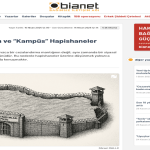
AKP, Kriminalizasyon ve “Kampüs” Hapishaneler CumhuriyetiBu yazı, AKP iktidarı döneminde Türkiye ceza infaz sisteminin geçirdiği yapısal dönüşümü analiz etmektedir. Artan mahpus sayısı, kampüs tipi cezaevi yerleşkeleri, yüksek güvenlikli hücre tipi hapishanelerin yaygınlaşması ve denetimli serbestlik sisteminin genişletilmesi gibi unsurlar, yeni bir baskı ve kontrol mekanizmasının inşasına işaret etmektedir. Yazı, bu dönüşümün sadece kriminal politikalarla değil, aynı zamanda siyasi ve toplumsal süreçlerle iç içe geliştiğini savunmakta ve infaz sistemini bir toplumsal güç ilişkileri aynası olarak ele almaktadır. Çeşitli veriler ve grafiklerle desteklenen bu değerlendirme, cezaevi sisteminin yalnızca bir sonuç değil, aynı zamanda bir araç olduğunu ortaya koymaktadır. |

|
AKP, criminalization and the Republic of ‘Campus’ PrisonsThis article examines the expansion and transformation of Turkey’s prison system under the rule of the AKP government, with a particular focus on the emergence of large-scale “campus prisons.” It analyzes the political logic behind mass incarceration, the spread of solitary confinement practices, and the construction of high-security facilities. Framing imprisonment as a tool of social control and political repression, the article situates recent prison policies within the broader dynamics of authoritarianism and criminalization in contemporary Turkey. |
|
Türkiye’de Hasta Mahpus OlmakCurabitur tincidunt, ante vel finibus tempor, odio neque sagittis mauris, et placerat erat mi et purus. |